

Online travel agencies (OTAs) like Booking.com and Expedia have cemented themselves as essential distribution partners for hotels worldwide. Their massive reach and aggressive marketing budgets make them near-unavoidable allies—yet, for upscale properties and hotel groups, this alliance often feels more like a Faustian bargain. OTAs routinely charge commissions reaching 15–25% per booking. They keep guest data behind closed doors. Brand narratives are diluted within aggregator platforms. The long-term result? Hoteliers watch their margins compress and guest relationships slip away, even as top-line revenue grows.
This is the real tension: luxury hotels aspire to cultivate prestige, loyalty, and distinct guest experiences, but an over-reliance on OTAs and inadequate website design creates a transactional cycle that ultimately weakens their performance across all three areas. Today, an increasing number of executives are seeking a strategy that returns control to the hotel while building direct relationships with their most valuable guests. Enter a hospitality marketing company like Jadewolf, a partner offering a path toward sustainable, guest-centric growth through owned demand channels and sophisticated direct bookings strategies.
The True Cost of OTA Dependency
Every hotelier knows that OTAs extract significant commissions, but not all recognize the ripple effect this has on overall profitability and guest engagement.
How Commissions Erode Margins at Scale
A 20% commission may seem palatable on a handful of bookings, but at scale, the damage is hard to ignore. For a 150-room luxury property with 70% occupancy and an average daily rate (ADR) of $350, allocating just half of bookings through OTAs can quietly siphon off over $1.3 million in annual commissions.
| OTA Penetration | Annual Rooms Sold | OTA Commissions (at 20%) | Lost Revenue per Year |
|---|---|---|---|
| 30% | 11,497 | $241,431 | $241,431 |
| 50% | 19,162 | $402,862 | $402,862 |
| 70% | 26,828 | $564,302 | $564,302 |
Multiply those numbers across a portfolio, and the magnitude is staggering. That money could have powered guest experience upgrades, staff retention programs, or best-in-class digital marketing for hotels. Instead, it vanishes into OTA bank accounts.
Why OTA-First Strategies Dilute Brand Identity
Hotels that stake their distribution strategy on OTAs inevitably find that their brand experience takes a backseat. On aggregator sites:
- Hotel stories are reduced to generic bullet points.
- Luxury experiences compete with budget accommodations in the same UI.
- Compelling photography and content are truncated for uniformity.
This approach reduces even the most distinctive resort to just another listing. The result is a commoditized environment driven by price competition, not value.
Losing Direct Guest Relationships = Losing Loyalty
Perhaps the stealthiest cost of all is the forfeiture of direct guest data. When OTAs mediate the relationship:
- Hotels often receive only limited guest information.
- Pre- and post-stay communications are hampered or blocked.
- Opportunities to delight, upsell, or nurture future stays are drastically reduced.
Over time, this erodes loyalty. Guests compare the property by price, not experience, often forgetting about the brand entirely after checkout.
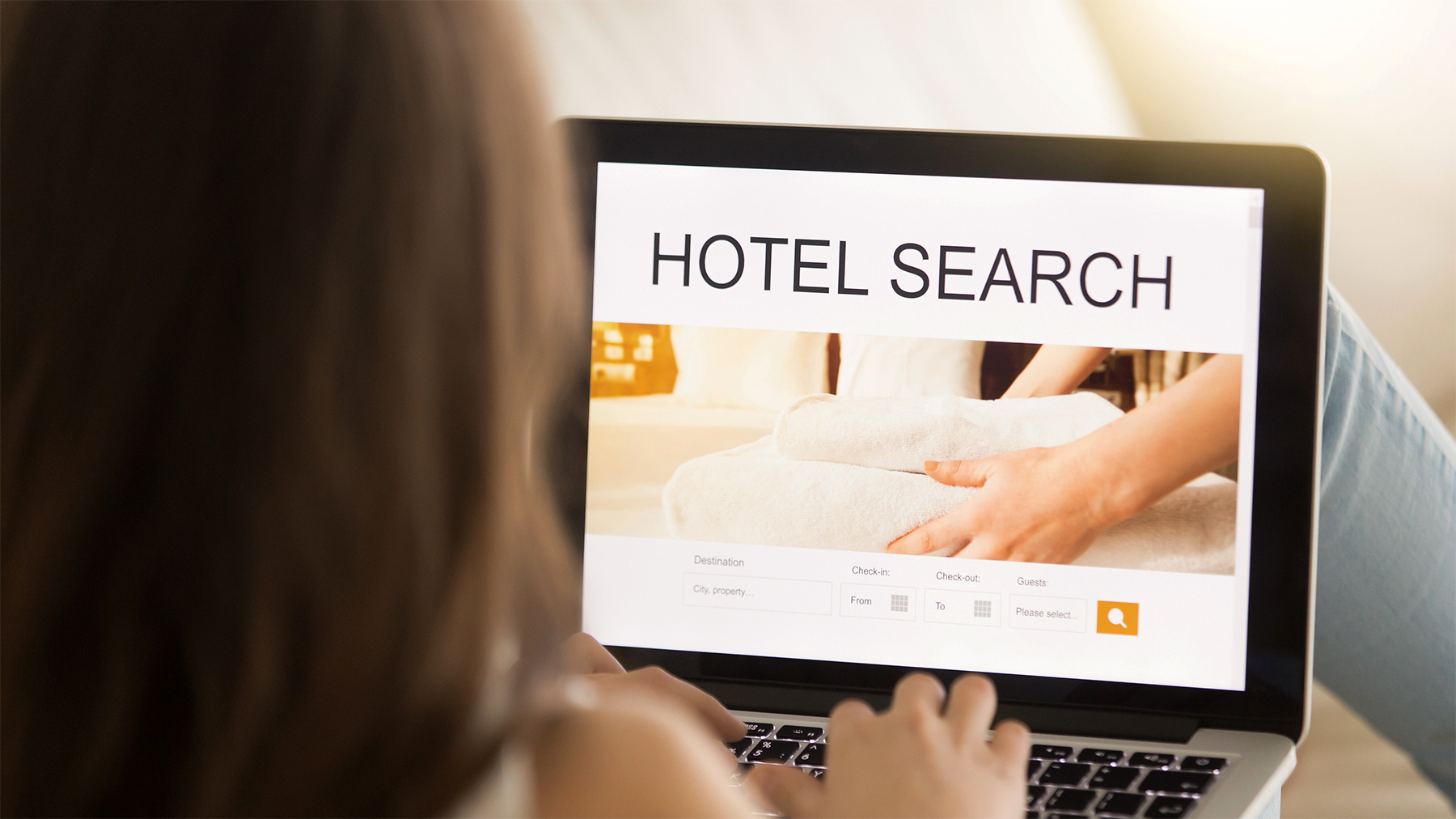
Why Direct Bookings Matter More in Luxury Hospitality
In the world of luxury hospitality, where service, customer experience, and branding define the brand, owning the guest relationship drives both margin and reputation.
Direct Bookings Protect ADR and Profitability
Direct bookings in luxury are more than convenient; they preserve both rate integrity and profits. OTAs often use price parity clauses or offer incentives that pressure hotels to discount. By increasing the share of direct bookings, properties can:
- Control pricing strategies and minimize undercutting.
- Retain more gross revenue per reservation.
- Invest higher lifetime value in property improvements and guest personalization.
Direct Guests Spend More on Upgrades and Experiences
Research consistently shows that direct bookers spend more onsite. They:
- Are more likely to pre-book spa treatments or dining.
- Respond to targeted upsells for room upgrades.
- Engage more with ancillary services.
Upscale properties with strong CRM programs can tailor offers to these guests, increasing per-stay revenue without the need for commission-heavy acquisition.
Long-Term Value of Loyalty Loops vs. Transactional Bookings
Luxury hotels thrive on repeat business, referrals, and deep personal connections. Direct booking channels are not just transactional, they’re a framework for constructing long-term loyalty loops:
- Pre-stay anticipation fueled by direct communication.
- Personalized service based on robust guest profiles.
- Post-stay follow-ups that nurture brand advocates.
Contrast this with OTA-driven bookings, which are one-off, price-focused, and rarely connected to a broader loyalty narrative.
Hospitality Marketing Companies – Reclaiming Control
Hospitality marketing companies exists to shift the balance from OTA dependence back to hotel ownership of the guest relationship. Their strategy blends digital marketing, technology, psychology, and creativity.
Building Owned Demand Channels: SEO, CRM, Retargeting
Relying on third-party traffic is a risk; the real value comes from channels the hotel controls directly:
- SEO: Ranking for high-intent, property-specific search terms attracts travelers ready to book direct. Comprehensive content and technical optimization put the hotel front and center.
- CRM: Guest data is the asset. Robust CRM programs segment guests, automate relevant communications, and maximize lifetime value.
- Advertising: Platforms like Meta and Google enable hotels to capture early stage inspiration seekers and “almost-booked” site visitors with tailored offers, building momentum toward direct conversion.
A hospitality marketing company manages this ecosystem holistically, aligning traffic, messaging, and data to support the hotel’s strategic goals.
Crafting Direct-Response Campaigns for Affluent Travelers
Generic ads don’t move the needle for luxury segments. The right campaigns speak directly to affluent travelers’ aspirations and pain points:
- Personalized offers for luxury suites and upgrades.
- Time-sensitive packages that create urgency
- Ultra-high-resolution imagery and video evoke atmosphere and exclusive experiences
Sophisticated segmentation, media buying, and tracking are the backbone of campaigns designed to win over direct bookers, not just any traveler.
Using Storytelling and Psychology to Create Belonging
Affluent guests aren’t just buying a room, they are seeking a sense of belonging and significance. Messaging that blends emotional storytelling with psychological triggers (exclusivity, status, discovery) motivates them to book directly. A hospitality marketing company nurtures these narratives across email, social, website design, and even offline touchpoints, building a web of connection impossible to replicate within an OTA interface.

Example: Cutting OTA Commissions by 30%
An international resort group, frustrated with spiraling OTA fees and generic guest feedback, engages a hospitality marketing company to restructure its direct bookings strategy. The challenge: increase direct reservations without sacrificing occupancy.
Approach:
- Reallocating 25% of the digital marketing budget from generic brand campaigns to targeted direct booking initiatives.
- Investment in a new web platform optimized for conversion, mobile bookings, and cutting-edge website design.
- Implementing a lifecycle CRM segmentation model, automating upsell and loyalty offers based on guest interests and history.
- Running storytelling-rich ad campaigns for key source markets, featuring immersive local experiences unattainable via OTAs.
Results after 12 months:
- Direct bookings grow by 40%, reducing OTA share from 65% to under 45%.
- OTA commission expenditures drop by nearly 30%, saving more than $850,000 annually.
- Guest satisfaction metrics improve as pre-arrival personalization increased.
- Loyalty program sign-ups triple, setting the stage for higher repeat business.
This real-world example illustrates how prioritizing owned channels maximizes both short-term yield and long-term guest relationships.
Choosing the Right Hospitality Marketing Company
Not every agency is suited to tackling the unique challenges faced by luxury hotels. Leadership teams should look past slick generalist presentations to find specialist partners who understand both the business and the art of hospitality.
Why Generalist Agencies Can’t Solve OTA Dependency
General digital agencies may excel at PPC or paid media, but hotels need more than campaigns, they need strategies that integrate data, narrative, and multi-touch guest journeys. Without specialization, an agency risks applying cookie-cutter e-commerce tactics that never quite fit or scale for luxury.
The Value of Industry-Specific Expertise in Luxury Travel
Hospitality marketing companies fluent in the nuances of luxury travel bring:
- Deep insights into seasonality, feeder markets, and travel psychographics.
- Media relationships and influencer access in the high-net-worth segment.
- Regulatory familiarity (GDPR, privacy) that protects guest trust and compliance.
- A portfolio of proven, property-specific hotel marketing solutions.
Their teams think like hospitality executives, not just advertisers.
What to Look for in a Partner Focused on Direct Bookings
Ideal partners bring together these elements:
- Demonstrated success shifting revenue from OTAs to owned channels.
- Technology capabilities (CRM, website UX, website design, analytics) that lift conversion rates.
- Content teams skilled in storytelling that resonates with luxury audiences.
- Transparent reporting and proactive budget management.
A true hospitality marketing company aligns itself as an extension of your management, focused on scaling not just occupancy, but revenue retention, guest satisfaction, and lifetime loyalty. They don’t just run campaigns; they build the foundations for a direct booking ecosystem that endures. If the goal is to reclaim the guest—not just the booking—the right choice is clear.