

Luxury hospitality is not a category you “buy into” with louder media plans or broader reach. It is a discipline built on scarcity, narrative, and proof that the stay delivers something beyond a room. Many brands still hand this challenge to generalist firms. The result looks polished on the surface, yet it rarely moves the needle on direct revenue or lifts average daily rate. Affluent travelers are sophisticated decision-makers. They respond to subtlety, story, and signals of insider access. They also expect measurable value from their time and attention.
Specialist hospitality advertising agencies work differently. They offer services that speak the language of RevPAR and travel advisors. They understand how a chef’s reputation or a one-off experience can lift booking value. They build campaigns that feel personal, incorporating thoughtful website design, and they measure outcomes with rigor that satisfies the boardroom.
This is where smart hotel leaders place their bets when the brand carries a five-star promise and every point of ADR matters.
Why Generalist Agencies Fail Luxury Brands
One-size-fits-all strategies that dilute brand prestige
Generalist teams tend to start with the same toolkit they apply to consumer categories that prize reach. Templates, discount-led offers, broad lookalikes, and stock imagery often sneak in. That approach immediately cheapens a luxury signal. When a campaign trains the audience to expect price-based value, it erodes the meaning of the brand’s standards and rituals.
Luxury is a signal of curation and restraint. Mass-play tactics tell high-value guests they are just one of millions. That is the opposite of what a booking at a grand resort, secluded lodge, or design-forward urban icon is meant to communicate.
Misaligned messaging that targets volume instead of value
Clicks are not bookings. Traffic spikes are not pipelines. In the absence of luxury experience, generalist agencies optimize to the nearest visible metric, which often means low-cost traffic and top-of-funnel engagement. The problem is obvious: the lowest-cost clicks rarely come from high-intent, high-ADR travelers.
Messages drift toward convenience and price, rather than meaning and exclusivity. Even small missteps, like “best price guaranteed” overlays on a rare experience, send the wrong cue to HNW audiences who expect privacy, craft, and access they cannot buy elsewhere.
Inability to track ROI in long-lead, high-ADR booking cycles
A luxury booking often spans weeks or months. Research happens on multiple digital devices. Advisors and family members weigh in. Offline influences matter. Generalist reporting stacks break under this complexity. Without hospitality-specific analytics, it is hard to connect creative, channels, and CRM events to the final reservation.
That gap leads to bad decisions. Budgets flow toward noisy channels, not productive ones. Seasonality and lead windows are missed. Campaigns go dark when they should nurture. In short, the nuance that turns intent into revenue goes uncaptured.
What Specialist Hospitality Advertising Agencies Do Differently
Blend performance marketing with emotional storytelling
Specialists design performance engines around a luxury story. They anchor campaigns in the property’s point of view, then wire that narrative into precise targeting, remarketing flows, and CRM.
- Editorial-quality content that reveals heritage, design, or terroir
- Precision audiences built from first-party data and affluent media ecosystems
- Automation that follows real guest behavior, not generic drip schedules
- KPIs tied to revenue, ADR, and lead quality
When the story and the system reinforce each other, creative elevates perceived value while performance spends against those most likely to book. Case studies from luxury resorts repeatedly show outsized ROI where personalization and storytelling are joined at the hip.
Understand high-ticket buyer psychology and behavior
Not all affluent travelers think alike. A finance executive booking a two-bedroom suite for a roadshow has different drivers than a family planning a milestone trip with a private guide. Specialists break down these segments, then choose channels and creative that match real motivations: privacy, access, craftsmanship, quiet luxury over logos.
They also understand the gatekeepers. Travel advisor networks, curated publications, and private membership communities act as multipliers. Ignoring them wastes budget. An expert knows how to show up credibly where these decisions are influenced.
Balance creative elegance with analytical precision
Hospitality branding strategy succeeds when the work is beautiful and the math works. Specialists hold both.
- A/B testing that refines not just headlines, but the level of restraint in a visual
- Revenue-focused reporting that connects media to bookings and upsells
- Forecasting models that respect lead windows and seasonality
- Budget choices based on incremental lift, not last-click myths
A quick look at outcomes tells the story.
| KPI | Specialist Agency Campaign | Generalist Campaign |
|---|---|---|
| Conversion rate | Higher, due to affluent-target precision | Lower, broad reach dilutes intent |
| Customer acquisition cost | Lower effective CAC after waste is removed | Higher, scattergun media |
| Average booking value | Higher via curated upsells and luxury experiences | Lower, price-anchored offers |
| Brand lift | Significant when storytelling is central | Minimal without a clear luxury narrative |
| Overall ROI | Often 3x to 7x media investment | Break-even or negative in many cases |
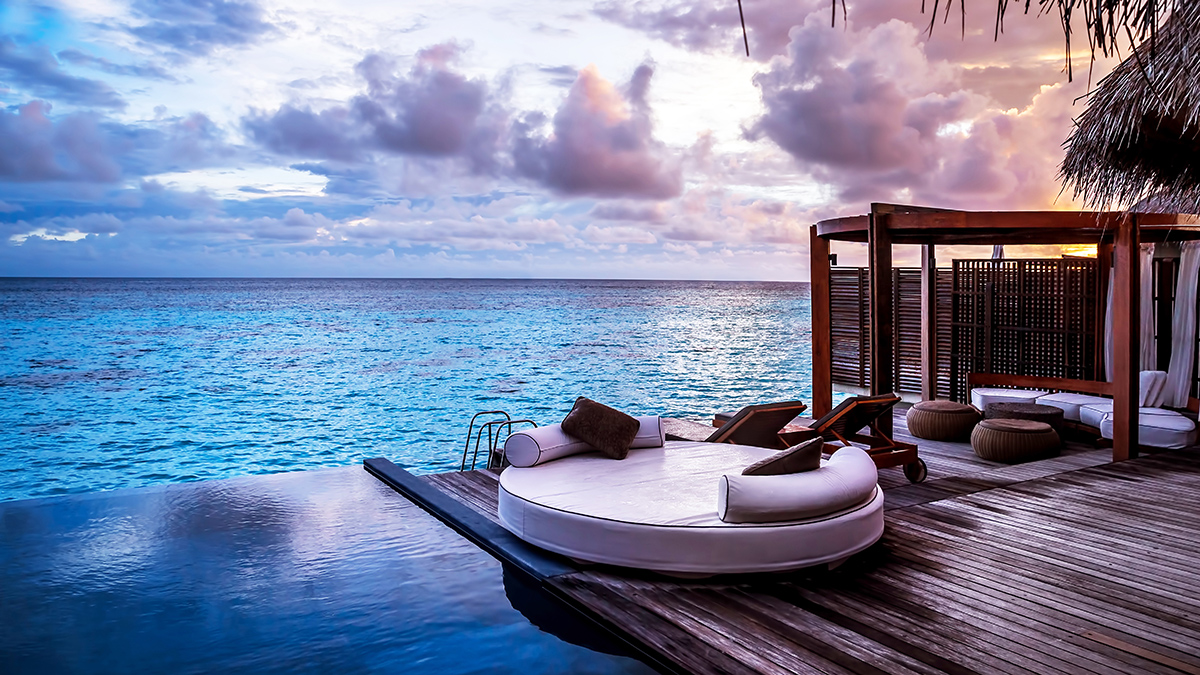
The Luxury Mindset: Marketing to Affluence, Not Algorithms
Why affluent travelers buy meaning, not discounts
For HNW and UHNW guests, time is the rare asset. They will pay for privacy, once-in-a-lifetime experiences, and stories they can retell. Discounts signal the wrong thing, as promotion in the traditional sense can undermine the exclusivity desired by high-net-worth guests. Signals that work: quietly limited access, behind-the-scenes moments, and a sense that the hotel team anticipates needs without being asked.
This is why luxury hotel advertising wins when it communicates significance. A stargazing terrace with an astronomer for a meteor shower. A chef’s tasting that sources from an on-property garden at peak season. The offer is the feeling, not the price.
How emotional resonance and identity drive repeat bookings
When a guest sees their identity reflected in the brand’s story, they commit more deeply. That resonance increases not just the first booking, but the likelihood they will return for an anniversary, refer a friend, or choose the group’s sister property for a different trip.
Retention is a revenue lever, not an afterthought. Specialist programs nurture post-stay content, loyalty benefits aligned to status signals, and invitation-only events that bring high-spend guests back into the fold.
The importance of brand tone and creative restraint in luxury advertising
Silence can be a powerful cue in website design. Minimal copy. Confident white space. Cinematic pace. A color grade that matches the property’s interiors. Luxury is communicated as much by what you leave out as what you include.
Media placement also signals status, and integrating gourmet marketing alongside SEO strategies can enhance visibility in premium editorial, trusted advisor networks, and private communities, conferring even more legitimacy. Ads next to premium editorial, in trusted advisor networks, and within private communities confer legitimacy. Specialists keep the brand out of bargain bins and toward elevated contexts where affluent eyes already are.
Example: From Generalist Frustration to Specialist Results
A five-property coastal group with ADR north of 600 dollars approached a specialist after twelve months with a large generalist shop. The problem list was familiar: rising spend, softening lead quality, stagnant direct bookings, and creative that looked glossy yet felt interchangeable with upper-upscale competitors, lacking a distinctive website design that could elevate the brand’s unique narrative.
The specialist started with four steps:
- Reframe the story A new creative platform focused on “rare moments by the water” captured each property’s unique vantage point: a century-old lighthouse suite, a private surf break with a world-class instructor, and a wine cellar tasting hosted by a storied vintner.
- Rebuild the audience and channels
The team segmented first-party data into five affluent personas, then activated across premium digital placements: affluent travel magazines, private aviation media, luxury consortia partnerships, curated Instagram creators, and LinkedIn for executive travelers. Paid search shifted to high-intent, high-ADR terms and brand-protection strategy. - Engineer the performance system Automation connected site behavior to CRM, triggering personal outreach from a concierge for high-value signals. A booking-abandon series avoided discounts, offering consultation with a destination specialist and access to a limited slate of experiences.
- Measure like owners Reporting tied spend to revenue, ADR lift, and upsell take rates. Lead quality scoring weighted advisor referrals and Suite-category interest more heavily than generic inquiries.
Six months later, the numbers were decisive:
- 38 percent increase in direct booking conversion rate
- 29 percent reduction in effective CAC
- 24 percent lift in ADR on campaign-influenced bookings
- 3.8x media ROAS on attributed revenue
- 12 percent increase in upsell revenue per stay from private dining and experiences
Most telling was sentiment. Advisors began requesting the group for clients seeking “quiet luxury by the sea.” Social comments shifted from likes to messages asking about waitlists for named suites. The brand regained pricing power without shouting.
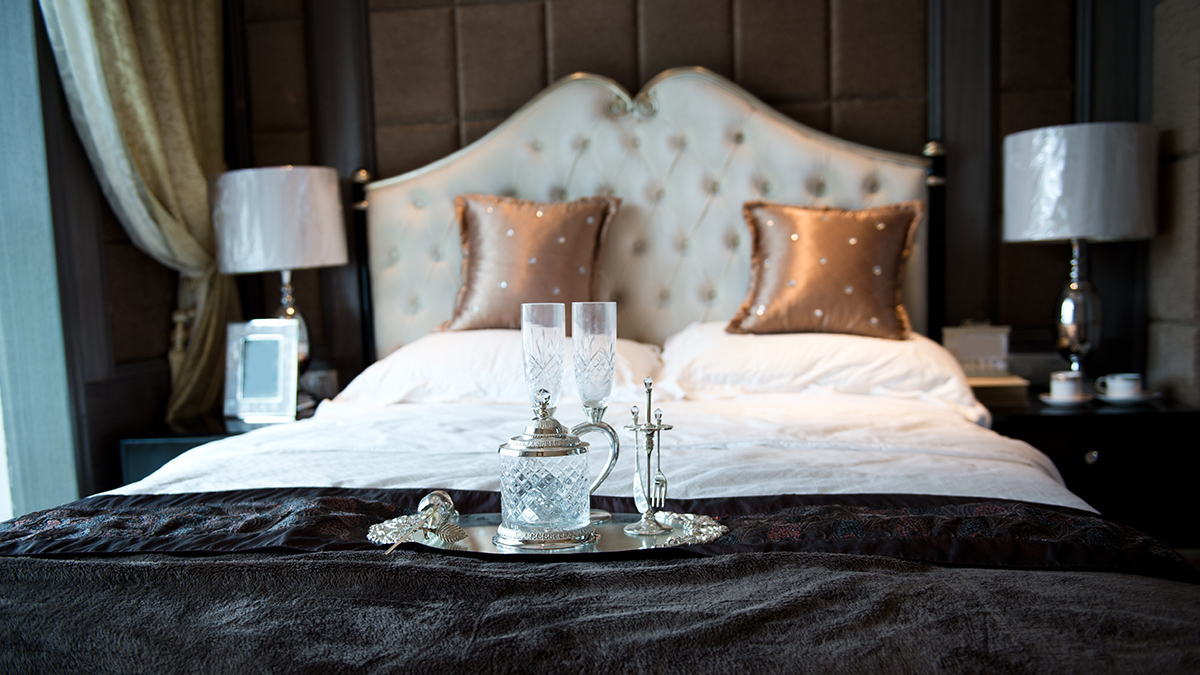
How to Identify True Hospitality Advertising Experts
Ask for ROI transparency, not vanity metrics
Insist on a revenue view. A serious partner will map campaigns to:
- Net bookings and direct revenue
- ADR and RevPAR movement in influenced cohorts
- Lead quality and advisor-sourced pipeline
- CAC by audience and channel
- Contribution margin after media and fees
Ask how they handle digital attribution over long lead windows and multiple stakeholders.
Review their understanding of channel strategy for luxury segments
Probe their plan for affluent reach. A credible answer covers:
- Travel advisor networks and luxury consortia integration
- Premium media placements that your target already consumes
- First-party data strategy in a privacy-first world
- Paid search & paid social for high-value intent, not just brand terms or generic creative
- Social and content collaborations that carry status, not just influence
Ask for examples that match your markets: city, resort, remote escape, or island.
Evaluate how they integrate creative, tech, and behavioral insights
Look for a joined-up model where creative directors, media strategists, and marketing technologists sit at the same table, ensuring that website design aligns with the brand’s luxury aesthetic.
- Do they build personas from real booking data and qualitative research?
- Can they personalize creative by intent and psychology, not just by demographic?
- How do they protect brand tone while testing?
- Which tools power segmentation, automation, and analytics?
The right team will show you the system that turns story into measurable revenue.
A quick evaluation checklist
Use this as a scorecard when shortlisting hotel marketing specialists:
- Portfolio includes five-star properties and high-ADR campaigns
- Case studies report lift in ADR and revenue, not just clicks
- End-to-end plan tying brand storytelling to performance tactics
- Proven chops with advisor networks, luxury publishers, and premium social
- Transparent measurement that connects to bookings and upsells
- Team structure that blends creative and data with accountability
Put specialist thinking to work
Luxury demands precision and expertise. At Jadewolf, we help hotels and resorts elevate their website design and advertising services with strategies built for affluent audiences and measurable ROI. If you’ve outgrown generalist agencies, it’s time to partner with specialists.