

Strategy is not a slide deck. It is a calendar of decisions. For luxury properties with six-figure suites and short booking windows, dynamic pricing and timing are the strategies. When demand swings with seasons and headlines, generic hotel marketing strategies stall out while agile luxury operators capture the revenue.
If you lead a high-end property, aim your planning at collaborating with the right partners, speed and seasonality. Everything else is secondary.
The annual plan trap
Twelve-month marketing plans look great on paper, but then crack under real conditions. Demand curves are rarely smooth. Seasonal shifts drive disproportionate volume into compressed windows, competitors react faster than expected, and macro shocks (pandemic etc.) can flip feeder markets in a week.
Think about your last two years. One quarter felt “normal,” another packed with last-minute bookings, then an unexpected event reshaped your pace and channel mix. In Europe, July and August alone can represent almost a third of annual stays. In the U.S., weather events can temporarily push occupancy inland while coastal hotels close, creating micro-booms that last weeks, not months. A plan locked in January cannot exploit a demand surge in September without budget and creative already pre-approved.
Static plans also slow down response time. Big campaigns require layers of approvals, creative production, and media reserving. By the time the campaign lands, the window may have passed. Once peak-season luxury buyers shift or competitors set anchors, you cannot buy back that momentum at a profit.
The fix is not more slides. It is a faster decision cycle tied to a quarterly calendar, executed with an agile luxury specialist partner agency.
Fast-moving luxury hospitality markets demand agile responses; decisions drive success, not static plans. Seasonality’s rapid changes necessitate continuous adjustments to strategies.
Annual approaches quickly become outdated. Instead, shift focus to flexible, dynamic tactics.
Consider short-term planning cycles. They foster responsiveness to evolving market dynamics and give you the edge over competitors, enhancing performance.
Embracing such adaptable strategies ensures you maintain momentum and capitalize on opportunities as they arise. In luxury hospitality, enhancing the guest experience through speed, precision, and effective SEO are keys to profitable success.
The integrity of a luxury hotel’s strategy is defined by its ability to pivot in sync with market dynamics, leveraging every shift as an opportunity, especially when the booking process is already optimized. Static frameworks may secure press accolades or internal approvals, but they often miss the essence of market agility and luxury resonance.
Quick response mechanisms accelerate growth prospects by harnessing fleeting demand surges more effectively. Direct booking tactics, integrated with a quarterly momentum cycle, establish new revenue landmarks by adjusting budgets along these agile timelines.
Moreover, aligning your team’s focus on a single timeline prevents disjointed efforts and maximizes seasonal opportunities. This alignment allows for concentrated creative outputs that are accountable to bottom-line results rather than vanity metrics.
Utilizing measurable funnel actions transforms the marketing vision into actualized profits. This quantifiable approach ensures that every dollar spent aligns with higher ROI frameworks.
Anticipating market shifts and acting decisively will deliver consistent results. This proactive mindset differentiates thriving luxury properties from their more reactive colleagues, particularly in high-value periods.
Quarterly momentum beats 12-month paralysis
A 90-day cadence in digital marketing creates direction and speed without the drag of detailed annual commitments. The rhythm is simple: plan, test, scale, review. That loop repeats every quarter, and each loop gets smarter.
In luxury hospitality, this cadence aligns perfectly with seasonality. One quarter you prime spring and early summer. Next you ride peak travel and create shoulder-season demand. Then you lock holiday packages and corporate group pushes. The calendar is the strategy.
To execute at that level of speed and sophisitication, teams need support, clarity and guardrails. A simple framework helps:
- Sprint-based campaigns developed with partner support
- Always-on measurement
- Budget held back for creative winners
- Review dates locked in
Now layer in a budget model that frees money to move. Hold 25 to 35 percent of your quarter’s spend in a responsive pool, released only when a channel proves it can hit target CPA or ROAS in the first 30 to 45 days. Let the data pick winners. Reassign funds from creative that flatlines to the ad sets and emails that convert now. Quarterly planning turns into quarterly compounding.
The best part: the discipline pays for itself. Short cycles kill languishing ideas and fund what actually drives bookings.
Quarterly momentum fosters agility and precision, enabling luxury hotels to swiftly adapt to fluctuating demand while optimizing budget allocation based on real-time data, ultimately outpacing competitors with targeted, effective luxury marketing strategies.
One commercial calendar, not three disconnected ones
Marketing, Revenue, and CRM cannot run on different clocks. When they do, seasonal windows evaporate. The revenue team sets BAR and fences one way, marketing promotes something else, and CRM emails a list that just booked through an OTA last week. Mixed signals cost you both rate and conversion.
Put the entire commercial team on a single 90-day timeline with one set of goals. Use shared standups and a joint calendar so pricing moves, offers, and audience selections line up. Revenue management shares demand forecast fields, compression dates, and rate barriers. Marketing translates those into packages, offers and ad sets. CRM targets known lookalikes, past midweek leisure guests, or high-value UHWNI guests with tailored offers.
Alignment is not a slogan. It lives in recurring rituals and shared dashboards.
- Weekly sync: one 30-minute meeting that freezes the week’s tactics
- Offer library: pre-approved packages tied to rate strategy
- Data handshake: RMS forecast fields piped into marketing and CRM
- SLAs: response-time agreements for creative, copy, and approvals
When teams work from one calendar, they create compounding effects. The right price meets the right guest with the right message in the right week. Upsell emails mirror the paid search copy. Metasearch bids reflect compression. Loyalty incentives lift repeat rate precisely when shoulder season needs it.
Sometimes one sentence says it all. Disjointed, under supported teams waste peak weeks.
Embracing a unified 90-day timeline empowers luxury hotel teams to harness real-time market dynamics, enhancing collaboration between marketing, revenue, CRM, and SEO for synergistic outcomes. By synchronizing pricing strategies with promotional campaigns and targeted CRM efforts, teams achieve unparalleled precision in capturing demand and maximizing revenue. This integrated approach ensures that every guest interaction, whether through upsell emails, metasearch bids, or loyalty incentives, enhances the guest experience and aligns perfectly with peak demand periods, resulting in optimized occupancy and profitability.
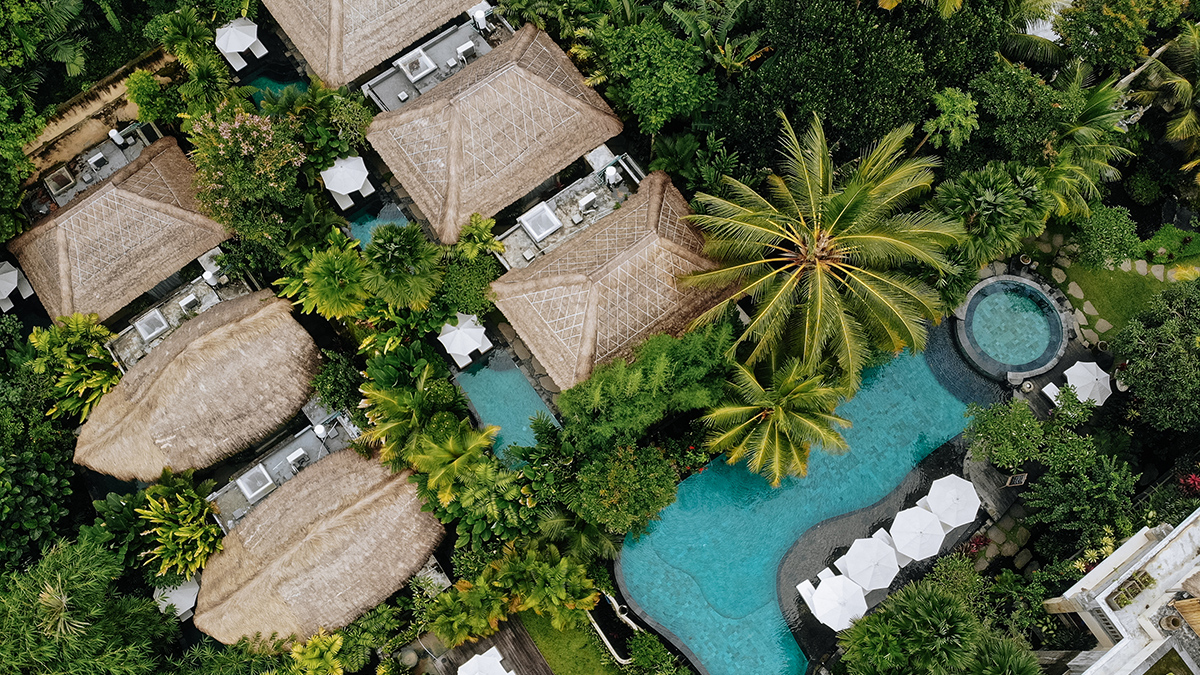
From creativity to causality in hotel marketing strategies
Stunning photography and aspirational luxury videos matter, but not if they stop at likes; effective luxury hotel advertising goes beyond visuals to drive tangible results. Luxury hospitality strategy thrives on branding, yet the objective is still booked revenue at target margins. That requires a shift from vanity outputs to causal inputs that move the funnel.
Start with measurement. Every campaign, from social media to metasearch to email, must carry tracking that ties back to booking revenue. If your dashboards still prioritize impressions and views, you will overfund aura and underfund action.
Use this KPI lens inside each 90-day cycle. Review weekly, act monthly, carry forward quarterly.
| KPI | What Good Looks Like | Why It Matters |
|---|---|---|
| Website conversion rate | 2 to 3 percent or higher | Proves your site and offers turn intent into bookings |
| Booking source mix | 60 to 70 percent direct | Higher-margin business with first-party data control |
| Return on ad spend | 2:1 or better on net revenue | Tells you which channels earn budget, not just attention |
| Cost per acquisition | Declining trend quarter over quarter | Efficiency across paid media and metasearch |
| Email revenue contribution | Measurable bookings per send | CRM that funds itself, not just opens and clicks |
| Repeat and loyalty rate | 20 percent or rising | Evidence that CRM and experience grow LTV |
| Pace vs last year | Positive variance on target weeks | Early warning to shift spend or add offers |
Design creative to earn those metrics. That means clear calls to action, frictionless mobile UX, and offers that trade value for data or bookings. Treat luxury art direction as a lever to clarify the buy, not a substitute for it.
After a paragraph like this, it helps to specify what drives direct performance in practice:
- Paid search & metasearch presence: be visible where intent is highest
- Member-only rates: book-direct incentives behind a login
- Value adds: late checkout, breakfast, spa credit, guaranteed upgrade
- Remarketing: site abandoners with price integrity and urgency
- On-site CTAs: QR codes and SMS to capture repeat bookings
When creativity serves causality, you get work that looks beautiful and sells rooms.
In luxury hotel digital marketing strategies, agile, data-driven decisions unify teams, aligning seasonal dynamics and captivating creativity to convert intent into direct bookings, boosting profit, and sustaining competitive advantage in volatile markets.
Case math: why timing and channel mix print profit
Consider a 100-room luxury hotel. ADR is 800 dollars. Average occupancy is 70 percent. That equates to roughly 20 million dollars in room revenue per year.
Now focus on channel economics. If half those bookings flow through OTAs at a 20 percent commission, you are surrendering 2 million dollars to intermediaries. If you can shift just 10 percent of total room nights to direct, the math gets interesting.
Let’s quantify.
- Total annual room revenue: 100 rooms × 365 days × 70 percent × 800 dollars = 20,440,000 dollars
- Value of a 10 percent shift to direct: 2,044,000 dollars of revenue moves from OTA to direct
- Commission avoided at 20 percent: 408,800 dollars
- Net new costs for direct: assume some costs for partners, processing and tech, about 100k+ dollars
- Profit reclaimed: approximately 300k+ dollars
That is the conservative version. In many cases, OTA commission lands above 20 percent after marketing programs. Direct costs may run below 4 percent if tech is already sunk. Which is why many operators see a 10 percent direct shift reclaim around six to seven figures in annual profit for an asset this size. Enough to fund Q1 testing and Q2 scale without asking ownership for incremental cash.
Direct booking tactics are not vanity. They are the difference between hitting your GOP target or missing it by a few basis points that matter to owners and asset managers.
By emphasizing nimble decision-making through 90-day cycles and aligning marketing, revenue, and CRM strategies, luxury hotels can convert creativity into actionable outcomes, boosting direct bookings and maximizing profits amidst dynamic markets.
Budget timing: act in Q4 or buy demand back later
Strategy is decision speed. Hotels that enter Q4 with next year’s first 90 days already mapped together with their luxury specialist agency partner will take share when guests start planning spring and summer. Those that wait will pay OTAs is instead to win back customers they could have kept themselves through initiative.
What needs to be decided now is specific and time sensitive. Commit dates, creative, and dollars.
- Partner onboarding: What agency can support this agile process with luxury and industry expertise?
- Pre-approval windows: media plans, offers, and assets greenlit 30 days in advance
- Blackout and compression: weeks to hold rate and throttle discounts
- Launch moments: Black Friday, Boxing Day, Lunar New Year, spring release
- Staffing: CRM, creative, and agency partners aligned to sprint cadence
The point is simple. Your marketing plan for hotels is only as strong as the calendar you can execute without friction. The brands that lock their playbook early do not chase. They set the pace.

Steering luxury hospitality through turbulent waters demands adaptive strategies.
The essence of success resides in agility, the ability to anticipate and act decisively in fluctuating market conditions. For luxury hotels, this agility transforms seasonal shifts into opportunities for growth, leaving competitors trailing behind. It’s about orchestrating real-time responsiveness and transforming strategies into profitable realities.
Concordance across teams and agencies is pivotal.
Unified timelines break down conventional silos, synchronizing marketing, revenue, and CRM to optimize both timing and message, creating consistent guest engagement. This alignment leverages the full spectrum of market dynamics, ensuring that when one cog moves, the entire machine accelerates smoothly.
Rethinking channel economics underscores strategic foresight.
By shifting booking dynamics towards direct engagement, luxury hotels not only harness potential revenue but significantly diminish overheads associated with intermediaries. A mere 10% shift can unlock substantial profit, redirecting funds towards forward-thinking initiatives that pave the way for sustained success.
Ultimately, the future belongs to those who wield strategy like an orchestra conductor, aligning every note—every decision—to craft symphonies of success. The brands that harness the power of timing, external support and cohesion will reshape the landscape of luxury hospitality, leading the industry with confidence and clarity.
How to put this into motion within 14 days
You do not need a reinvention. You need a 90-day operating system that matches luxury hospitality‘s seasons.
- Week 1: Audit and alignment: one calendar for Marketing, Revenue, CRM; confirm KPIs and dashboards; define responsive budget pool
- Week 2: Offers and infrastructure: finalize 4 to 6 trackable packages tied to rate strategy; fix mobile UX and metasearch coverage
- Week 3: Launch and learn: roll paid search, social, and email with A/B tests; set decision gates on budget shifts
- Week 4: Tighten the loop: kill losers, scale winners, and lock next quarter’s testing plan
By week two you will already see which messages and channels, including social media, move the needle. By week four you are reallocating from what looks good to what works.
Agility in luxury hotel marketing necessitates embracing a quarterly momentum approach, allowing properties to swiftly align and adapt strategies based on real-time market dynamics and seasonal shifts. By fostering alignment across marketing, revenue, and CRM teams within a unified calendar, incorporating effective social media marketing strategies, hotels can optimize guest engagement, enhance direct bookings, and minimize reliance on intermediaries. Strategic foresight in channel economics amplifies profitability, transforming decision-making into a powerful tool for sustained competitive advantage in the ever-evolving hospitality landscape.
In the dynamic world of luxury hospitality, being preemptive can transform seasonal changes into lucrative opportunities. Effective hotel marketing strategies need to be proactive, guided by joint expert teams, not reactive, navigating the volatile industry landscape with agility and insight.
Yet, it’s not enough to simply keep up with market changes; victory belongs to those who anticipate and act. A swift, coordinated response that harmonizes marketing, revenue, and CRM efforts ensures that every guest interaction is optimally timed and targeted, transforming inquiries into bookings efficiently.
Aligning budget allocations dynamically further empowers hotels to capitalize on direct bookings. Every decision becomes a stepping stone toward profitability, reducing dependency on intermediaries and enhancing guest loyalty. As such, strategic foresight is invaluable in maintaining competitive advantage.
Ultimately, advancing with a clear vision and up-to-date insights fosters an environment where strategic agility translates into sustainable success. In luxury hospitality, the brands that will thrive are those that see the future clearly, leverage the right partners and seize it with purpose-driven action.